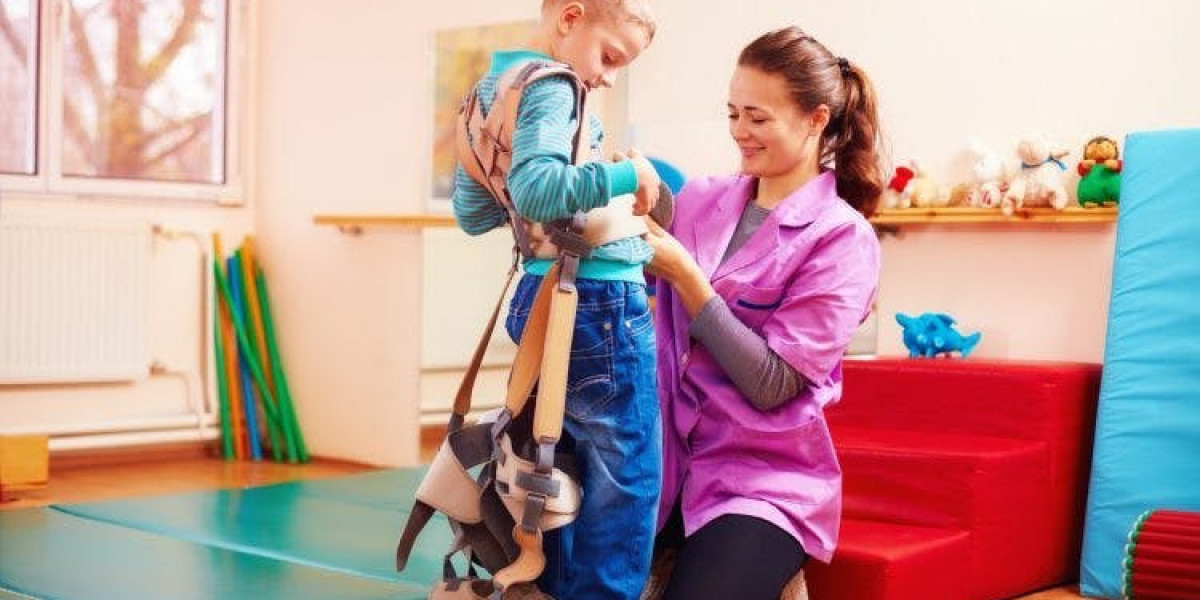

Robotics is rapidly transforming modern rehabilitation by offering more precise, consistent, and data-driven therapy options for individuals living with cerebral palsy. These advancements are improving mobility training, muscle coordination, and long-term functional outcomes for patients of all ages. Families seeking advanced Cerebral Palsy Treatment In Dubai are increasingly benefiting from robotic-assisted rehabilitation programs alongside supportive care services such as Doctor at Home, which help ensure continuity of treatment in a comfortable environment. Robotics in therapy is not replacing traditional rehabilitation but enhancing it by making exercises more effective, measurable, and engaging.
Understanding Cerebral Palsy and the Need for Innovation:
Cerebral palsy is a neurological condition caused by brain damage that affects movement, posture, and muscle coordination. Traditional therapies like physical, occupational, and speech therapy remain essential, but they often require long-term consistency and repetitive practice. Robotics introduces innovation into this process by assisting patients in performing movements with greater accuracy and repetition. This helps improve neuroplasticity, which is the brain’s ability to reorganize and form new neural connections. As a result, robotic therapy is becoming an important part of modern rehabilitation strategies.
What is Robotic Rehabilitation Therapy:
Robotic rehabilitation therapy involves the use of advanced mechanical devices and computer-assisted systems to support or guide patient movements during therapy sessions. These systems are designed to help individuals perform controlled, repetitive exercises that improve strength, balance, and coordination. Unlike traditional therapy, robotics can provide precise movement patterns and real-time feedback. This makes it especially useful for individuals with cerebral palsy who require structured and consistent motor training.
Robotic Gait Training Systems:
One of the most impactful applications of robotics in cerebral palsy treatment is gait training. Robotic exoskeletons and treadmill-based systems help patients practice walking in a controlled environment. These devices support body weight, guide leg movements, and ensure proper walking patterns. Over time, this helps improve muscle memory and walking ability. Benefits of robotic gait training include:
- Improved walking speed and endurance
- Better posture and balance
- Reduced muscle stiffness
- Enhanced coordination between limbs
- Increased confidence in mobility
Gait training robotics is particularly beneficial for children who are learning or relearning walking patterns.
Upper Limb Robotic Therapy:
Robotic devices are also widely used to improve arm and hand function in individuals with cerebral palsy. These systems guide repetitive upper limb movements that help strengthen muscles and improve coordination. Patients can practice reaching, grasping, and releasing objects in a structured and supportive way. This type of therapy is especially important for improving daily living skills such as eating, writing, and dressing. Consistent training leads to better fine motor control and increased independence.
Virtual Reality and Robotics Integration:
Modern rehabilitation programs are combining robotics with virtual reality to create immersive therapy experiences. Patients perform movements while interacting with virtual environments, making therapy more engaging and motivating. This integration helps improve cognitive function, motor coordination, and attention span. Virtual reality-based robotic therapy also allows therapists to track progress in real time and adjust exercises according to patient performance. This combination is especially effective for pediatric patients who respond well to interactive learning environments.
Neuroplasticity and Brain Rewiring:
One of the most important benefits of robotic therapy is its ability to support neuroplasticity. Repetitive, guided movements help stimulate the brain and encourage it to form new neural pathways. This is particularly important in cerebral palsy, where early brain injury affects motor function. By practicing consistent movements through robotic assistance, patients can improve muscle control and coordination over time. The structured nature of robotic therapy ensures that exercises are performed correctly, maximizing brain and muscle engagement.
Advantages of Robotics in Cerebral Palsy Rehabilitation:
Robotic therapy offers several advantages over traditional rehabilitation methods. It provides consistent movement patterns, reduces therapist workload, and allows for precise progress tracking. Patients also benefit from increased motivation due to interactive and engaging therapy sessions. Key advantages include:
- High repetition of controlled movements
- Real-time performance feedback
- Reduced physical strain on therapists
- Personalized therapy adjustments
- Improved patient engagement and motivation
These advantages make robotic therapy a valuable addition to comprehensive rehabilitation programs.
Pediatric Applications of Robotic Therapy:
Children with cerebral palsy benefit significantly from robotic-assisted rehabilitation because it combines structured movement training with interactive and playful elements. Pediatric robotic devices are designed to be safe, adaptable, and engaging for young patients. These systems help children develop motor skills during critical developmental stages when brain adaptability is highest. Families exploring Cerebral Palsy Treatment In Dubai often find pediatric robotic therapy especially useful for improving early mobility and functional independence.
Role of Robotics in Occupational Therapy:
Robotic systems are increasingly being integrated into occupational therapy to improve fine motor skills and daily living abilities. These devices help patients practice repetitive hand and arm movements required for tasks such as writing, eating, and dressing. Robotics ensures consistent motion patterns, which helps improve coordination and reduce muscle fatigue. Occupational therapists use robotic feedback to customize treatment plans and track functional improvements over time.
Data-Driven Rehabilitation and Progress Tracking:
One of the key strengths of robotic therapy is its ability to collect and analyze patient data during rehabilitation sessions. Sensors and software systems monitor movement accuracy, speed, and consistency, providing therapists with detailed progress reports. This data-driven approach allows for more personalized treatment planning and helps identify areas that need improvement. Continuous monitoring ensures that therapy remains effective and aligned with patient goals.
Home-Based Robotic Therapy and Remote Care:
Home-based rehabilitation solutions are becoming more common, allowing patients to continue robotic therapy outside clinical settings. Portable robotic devices and tele-rehabilitation platforms enable patients to perform guided exercises at home while being monitored remotely by healthcare professionals. Services such as Doctor at Home complement this approach by providing medical supervision and ensuring safe therapy continuation. Home-based robotic therapy improves convenience, consistency, and long-term engagement.
Emotional and Psychological Benefits of Robotic Therapy:
In addition to physical improvements, robotic therapy also provides emotional and psychological benefits. Patients often feel more motivated and confident when using interactive and technology-driven systems. The gamified nature of some robotic platforms reduces therapy-related stress and encourages active participation. Improved physical ability also enhances self-esteem and social interaction, especially in children and young adults.
Final Thoughts:
Robotics is revolutionizing cerebral palsy therapy by enhancing precision, engagement, and long-term rehabilitation outcomes. Through robotic gait training, upper limb therapy, virtual reality integration, and data-driven monitoring, patients can achieve significant improvements in mobility and independence. Families exploring Cerebral Palsy Treatment In Dubai now have access to advanced robotic rehabilitation programs that complement traditional therapies and improve overall care quality. With continued technological innovation, early intervention, and consistent rehabilitation, robotics is helping individuals with cerebral palsy achieve greater independence and a better quality of life.