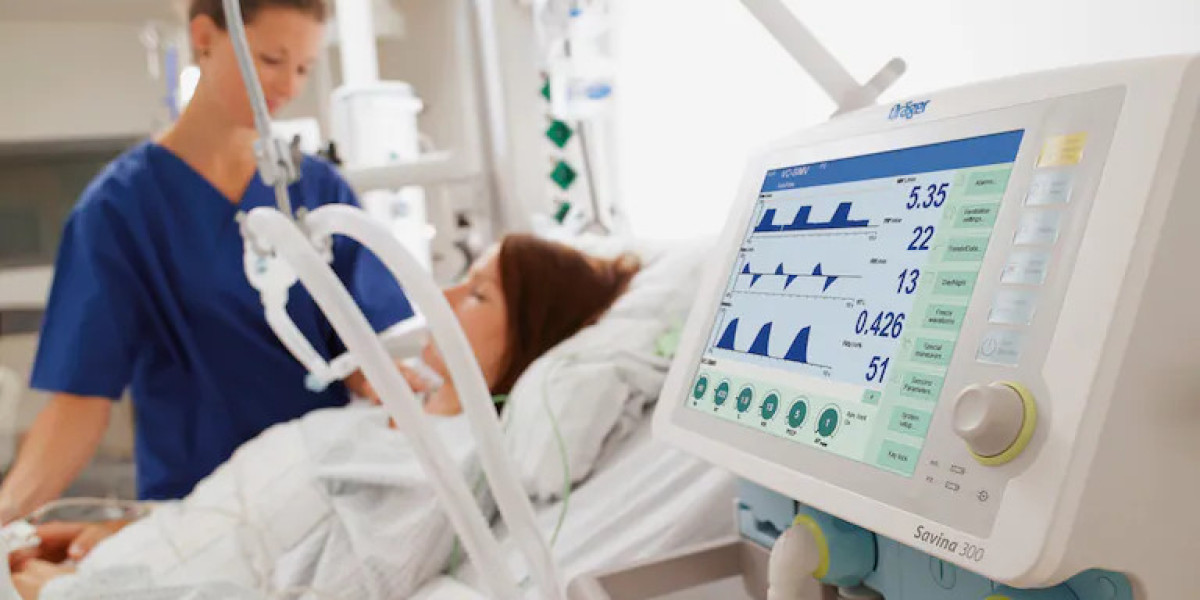

Patients receiving respiratory support at home require careful attention to hygiene and infection control to ensure safe recovery. Many families now choose Ventilator Care At Home In Dubai because it offers advanced respiratory assistance in a familiar and comfortable environment. With support from trained healthcare professionals and access to a qualified Doctor at Home, patients can safely continue treatment outside the hospital. However, individuals using ventilators may be more vulnerable to infections due to weakened respiratory systems and ongoing medical equipment use. Following proper infection prevention measures is essential for protecting patient health, reducing complications, and supporting long-term recovery.
Understanding the Risk of Infections in Ventilator Care:
Patients on ventilators face a higher risk of respiratory infections because bacteria and viruses can enter the airways through medical equipment or poor hygiene practices. Ventilator tubing, masks, humidifiers, and surrounding surfaces may become contaminated if not cleaned properly. Infections can lead to breathing difficulties, prolonged recovery, and additional medical complications. Understanding these risks helps families and caregivers take preventive steps that create a safer and healthier home care environment for the patient.
Maintaining Proper Hand Hygiene:
Hand hygiene is one of the simplest and most effective ways to prevent infections in home ventilator care. Caregivers, family members, and healthcare providers should wash their hands thoroughly before and after touching the patient or handling ventilator equipment. Proper handwashing with soap and water helps remove harmful bacteria and viruses that could spread to the patient. Alcohol-based hand sanitizers may also be used when handwashing facilities are not immediately available. Consistent hand hygiene significantly reduces the risk of respiratory and contact-related infections.
Cleaning Ventilator Equipment Regularly:
Ventilator equipment requires regular cleaning to prevent bacteria buildup and maintain safe respiratory support. Tubing, masks, humidifiers, and filters should be cleaned according to medical guidelines provided by healthcare professionals. Caregivers should use recommended cleaning solutions and ensure all equipment is dried properly before reuse. Dirty or poorly maintained equipment can introduce harmful germs into the patient’s airways, increasing the risk of infection. Routine cleaning also helps improve ventilator performance and patient comfort.
Keeping the Patient’s Environment Clean:
A clean living environment is essential for infection prevention in home ventilator care. Dust, dirt, and contaminated surfaces can contribute to respiratory irritation and illness. Families should regularly clean the patient’s room, bedding, and commonly touched surfaces to maintain a hygienic atmosphere. Important environmental cleaning practices include:
- Disinfecting bedside tables and medical equipment surfaces
- Washing bedding and clothing frequently
- Vacuuming and dusting the room regularly
- Keeping pets away from medical equipment
- Ensuring proper room ventilation and airflow
These measures help create a healthier environment that supports safe recovery at home.
Preventing Respiratory Infections From Visitors:
Patients receiving ventilator support may have weakened immune systems, making them more sensitive to illnesses brought into the home by visitors. Family members and guests who are sick should avoid visiting the patient until they recover fully. Caregivers should also limit unnecessary contact with large groups or crowded environments that increase infection risks. Encouraging visitors to wash their hands and follow hygiene precautions before interacting with the patient further reduces the chances of respiratory infections spreading within the home.
Monitoring for Early Signs of Infection:
Early detection of infections is extremely important in ventilator care at home. Caregivers should monitor the patient daily for symptoms such as fever, increased coughing, breathing difficulty, unusual mucus production, or changes in oxygen levels. Redness, swelling, or irritation around airway sites should also be reported to healthcare professionals immediately. Identifying infection symptoms early allows for faster medical intervention and reduces the risk of severe complications affecting the patient’s respiratory health.
Proper Handling of Medical Supplies:
Medical supplies used in ventilator care must be stored and handled carefully to prevent contamination. Caregivers should keep sterile supplies in clean, dry areas away from dust or moisture. Disposable items should only be used once and discarded according to healthcare instructions. Important medical supply handling practices include:
- Storing clean supplies separately from used items
- Avoiding touching sterile surfaces unnecessarily
- Checking expiration dates on medical products
- Using protective gloves when appropriate
- Disposing of waste safely and hygienically
Safe handling of medical supplies helps maintain a clean care environment and minimizes infection risks.
Supporting Patient Nutrition and Hydration:
Good nutrition and proper hydration play an important role in strengthening the immune system and helping the body fight infections. Patients receiving ventilator support should follow a balanced diet recommended by healthcare providers. Adequate fluid intake also helps keep airways moist and supports healthy respiratory function. Caregivers should monitor eating habits and ensure the patient receives enough nutrients to support recovery and overall health during long-term respiratory care.
Ensuring Proper Airway Care:
Patients using ventilators often require additional airway management to maintain clear breathing passages and reduce infection risks. Excess mucus buildup can trap bacteria and lead to respiratory complications if not managed properly. Healthcare professionals may recommend airway suctioning, humidification, or respiratory therapy to support airway health. Caregivers should follow professional instructions carefully and maintain proper hygiene during airway care procedures to prevent contamination and discomfort.
Importance of Professional Medical Supervision:
Regular medical supervision is essential for maintaining infection control in ventilator care at home. Healthcare professionals monitor the patient’s respiratory health, inspect equipment cleanliness, and assess for early signs of complications during routine visits. Nurses and respiratory therapists also provide caregiver education on hygiene practices and infection prevention techniques. Professional guidance ensures that home care routines remain safe, effective, and aligned with the patient’s medical needs.
Creating a Consistent Infection Prevention Routine:
Consistency is key when preventing infections in home ventilator care. Families and caregivers should establish daily cleaning schedules, hygiene routines, and patient monitoring practices to ensure all safety measures are followed regularly. Organized routines reduce the likelihood of missed steps and help maintain a healthier environment for the patient. Keeping written checklists for cleaning, equipment maintenance, and health monitoring may also improve consistency and caregiver confidence.
Final Thoughts:
Preventing infections is one of the most important aspects of managing Ventilator Care At Home In Dubai safely and effectively. Proper hand hygiene, regular equipment cleaning, environmental cleanliness, and careful patient monitoring all play vital roles in protecting respiratory health. Families and caregivers who follow infection prevention measures consistently can reduce complications, improve patient comfort, and support smoother recovery at home. With professional medical supervision and a strong focus on hygiene, home ventilator care can provide a safe, comfortable, and supportive environment for long-term respiratory treatment.