
Pigmentation issues such as dark spots, melasma, acne scars, freckles, and uneven skin tone can affect confidence and make skin appear dull or aged. Many people search for effective treatments that provide visible improvement without causing excessive downtime. Among the most popular solutions are Q-switch laser treatments and chemical peels. Q-Switch Laser (ليزر كيو سويتش) Both procedures are widely used in cosmetic dermatology, but they work differently and suit different skin concerns.
Understanding how these treatments function, their benefits, recovery process, and expected results can help you decide which option is best for your skin type and pigmentation condition.
Understanding Pigmentation and Why It Happens
Pigmentation occurs when melanin production in the skin becomes uneven. This may happen because of sun exposure, hormonal changes, acne scars, aging, inflammation, or genetic factors. Some pigmentation concerns remain superficial, while others develop deeper within the skin layers, making treatment more challenging.
Modern skincare treatments are designed to target excess pigment while improving overall skin clarity and texture. Among these solutions, Q-switch laser in Riyadh has gained popularity for its precision and effectiveness in treating stubborn pigmentation concerns.
Common Types of Pigmentation
Different pigmentation conditions require different treatment approaches. Some of the most common include:
- Melasma caused by hormonal changes
- Sunspots from UV damage
- Post-inflammatory hyperpigmentation after acne
- Freckles and age spots
- Uneven skin tone due to environmental exposure
Identifying the type and depth of pigmentation is important before choosing the ideal treatment method.
What Is a Q-switch Laser?
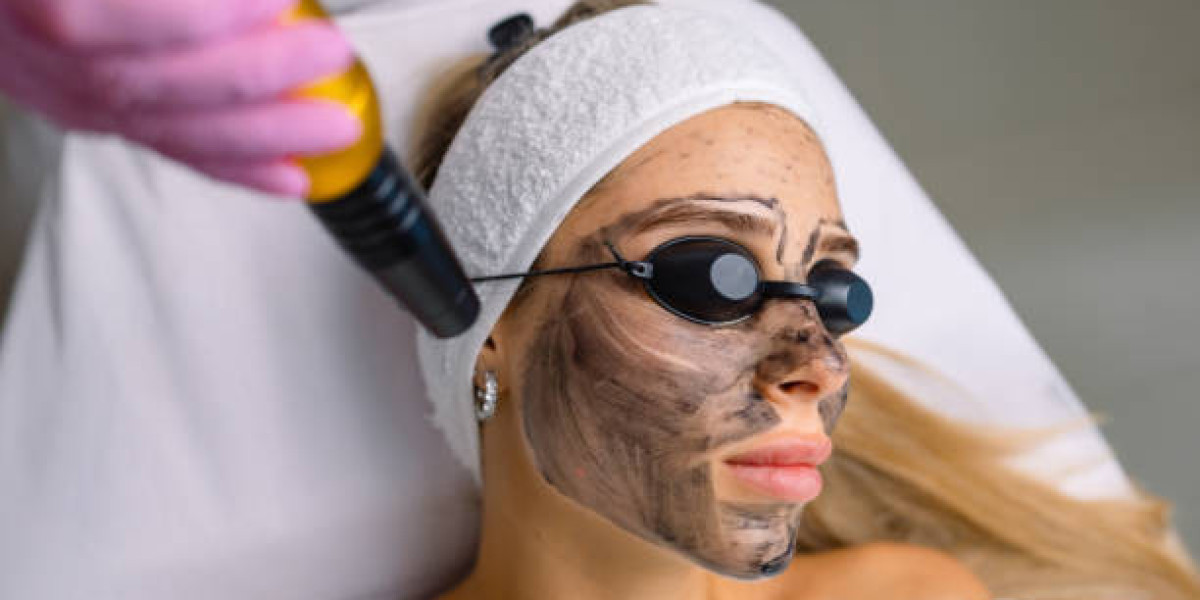
A Q-switch laser is an advanced laser technology designed to target pigmentation particles within the skin using high-intensity light pulses. The laser energy breaks down excess melanin into tiny particles that are naturally removed by the body over time.
Unlike many traditional treatments, Q-switch lasers can specifically target pigment without significantly damaging surrounding skin tissue.
Benefits of Q-switch Laser Treatment
Q-switch laser therapy offers several advantages for people dealing with persistent pigmentation issues:
- Targets deep and superficial pigmentation
- Improves overall skin brightness
- Helps reduce acne marks and sun damage
- Minimal downtime in many cases
- Suitable for multiple skin areas
Because of its precision, many individuals prefer Q-switch laser in Riyadh for treating pigmentation that does not respond well to creams or home remedies.
What Are Chemical Peels?
Chemical peels involve applying a specialized solution to the skin that exfoliates the outer layers. As damaged skin peels away, newer and healthier skin appears underneath.
Chemical peels vary in strength, ranging from superficial peels for mild pigmentation to deeper peels for more visible discoloration.
Benefits of Chemical Peels
Chemical peels remain popular because they provide several skin-enhancing benefits:
- Improve skin texture
- Reduce mild pigmentation
- Minimize dullness
- Support collagen renewal
- Enhance skin smoothness
Peels are commonly used for surface-level pigmentation and uneven skin tone.
How Q-switch Lasers and Chemical Peels Work Differently
Although both treatments target pigmentation, their methods are very different.
Q-switch Laser Technology
Q-switch lasers work beneath the skin surface by directly targeting pigment particles. This makes them highly effective for deeper pigmentation conditions.
The treatment focuses on melanin deposits while leaving nearby skin relatively unaffected.
Chemical Peel Action
Chemical peels remove damaged outer skin layers through controlled exfoliation. This process gradually lightens superficial pigmentation and refreshes the skin’s appearance.
Peels are generally more effective for mild discoloration and texture-related concerns.
Which Treatment Works Better for Deep Pigmentation?
Deep pigmentation conditions such as melasma, stubborn acne scars, or dermal pigmentation often require more advanced solutions.
Q-switch lasers usually provide better outcomes for deeper pigment because the laser energy penetrates below the skin surface. Chemical peels may improve appearance temporarily, but they may not always reach deeper pigment deposits effectively.
For individuals struggling with persistent dark spots, Q-switch laser in Riyadh is frequently recommended as a more targeted approach.
Which Option Is Better for Sensitive Skin?
Skin sensitivity plays an important role in treatment selection.
Q-switch Laser for Sensitive Skin
Modern laser systems can often be adjusted based on skin type and sensitivity levels. This customization helps reduce the risk of irritation while still targeting pigmentation effectively.
Chemical Peels for Sensitive Skin
Some chemical peels may cause redness, peeling, dryness, or irritation, especially in sensitive skin types. Stronger peels may also increase sensitivity to sunlight after treatment.
A professional skin assessment is essential before deciding which procedure suits sensitive skin best.
Downtime and Recovery Comparison
Recovery time varies depending on the treatment intensity and skin condition.
Recovery After Q-switch Laser
Most patients experience mild redness or slight sensitivity that usually improves quickly. Daily activities can often resume shortly after treatment.
Recovery After Chemical Peels
Chemical peels may involve visible peeling, dryness, or flaking for several days depending on peel depth. Sun protection becomes especially important during healing.
Individuals seeking minimal interruption to their routine may prefer laser treatments over deeper chemical peels.
Can Both Treatments Be Combined?
In some cases, dermatology professionals may combine both treatments as part of a customized pigmentation management plan.
For example:
- Q-switch lasers may target deeper pigment
- Chemical peels may improve texture and surface brightness
- Combined treatments may enhance overall skin clarity
However, treatment combinations should always be planned carefully to avoid excessive skin irritation.
Factors to Consider Before Choosing a Treatment
Selecting the right pigmentation treatment depends on several important factors:
Skin Type
Different skin tones respond differently to lasers and peels. Professional guidance helps reduce complications and improve results.
Pigmentation Depth
Superficial pigmentation may respond well to peels, while deeper discoloration may require laser technology.
Desired Results
Some people seek subtle brightening, while others want more dramatic pigment reduction.
Lifestyle and Recovery Time
Busy schedules may influence whether someone chooses treatments with shorter downtime.
Final Thoughts on Pigmentation Treatments
Both Q-switch lasers and chemical peels offer effective solutions for pigmentation concerns, but the best option depends on your skin type, pigmentation severity, and treatment goals.
Chemical peels are often beneficial for mild discoloration and improving skin texture, while Q-switch lasers are typically more effective for stubborn or deeper pigmentation issues. Consulting a qualified skincare professional helps ensure safe treatment selection and better long-term results.
For individuals seeking advanced pigmentation correction with targeted precision, laser technology continues to be one of the most trusted modern skincare options.
Book an Appointment Consultation Clinic
Enfield Royal Riyadh (إنفيلد رويال الرياض)
FAQs
Is Q-switch laser effective for melasma?
Yes, Q-switch laser treatments are commonly used for melasma and stubborn pigmentation because they target excess melanin beneath the skin surface.
How many sessions are usually needed for pigmentation treatment?
The number of sessions depends on pigmentation severity, skin type, and treatment method. Some individuals notice improvement after a few sessions, while deeper pigmentation may require more treatments.
Are chemical peels painful?
Most chemical peels cause mild tingling or warmth during the procedure. Stronger peels may create temporary discomfort, but it usually subsides quickly.
Can pigmentation return after treatment?
Pigmentation can return if proper skincare and sun protection are not maintained. Consistent sunscreen use is important after both laser and peel treatments.
Which treatment gives faster results for dark spots?
Q-switch lasers often provide faster improvement for deeper pigmentation, while chemical peels may gradually improve mild surface discoloration over time.