
Home healthcare has transformed the way patients receive medical treatment, making it more convenient and comfortable than ever before. One increasingly popular service is Glucose Drip at Home in Dubai, which allows individuals to receive hydration and energy support without visiting a hospital or clinic. When supported by professional Doctor at Home services, patients benefit from personalized medical care in a familiar environment while receiving safe and monitored intravenous therapy tailored to their needs.
Understanding Glucose Drip Therapy:
A glucose drip is an intravenous infusion that delivers glucose and fluids directly into the bloodstream to help restore energy levels and hydration. It is commonly used for individuals experiencing fatigue, dehydration, or weakness. Because the nutrients bypass the digestive system, the body can absorb them more quickly, making it useful in situations where oral intake is insufficient or slow to act.
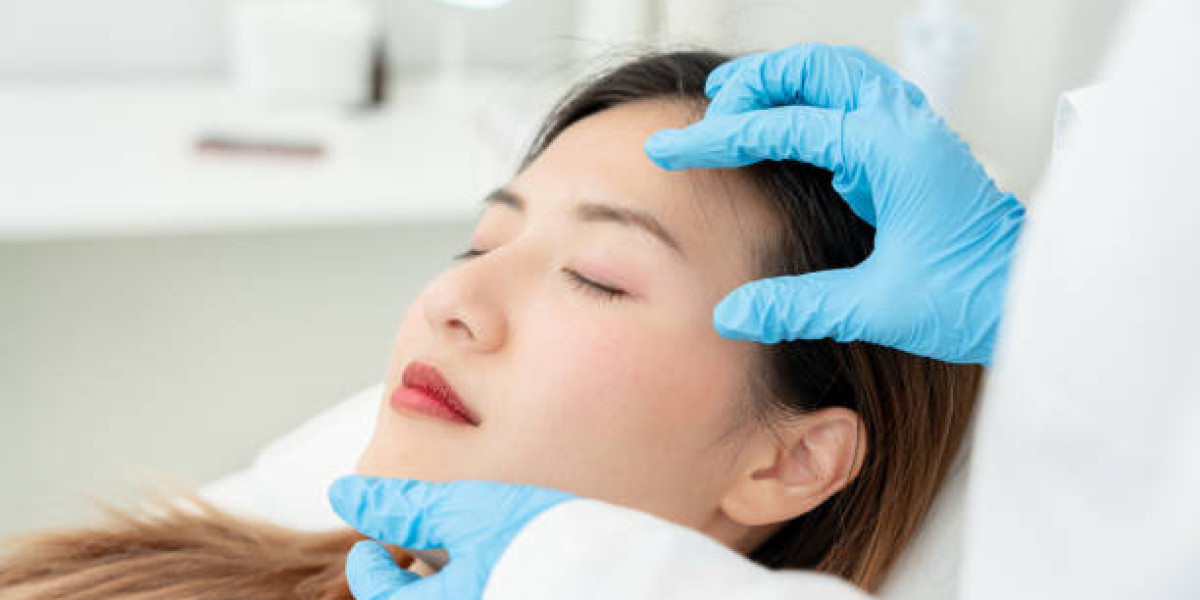
Initial Medical Assessment Before the Session:
Before starting the glucose drip session at home, healthcare professionals perform a detailed medical assessment. This step ensures that the treatment is safe and suitable for the patient’s condition. The assessment typically includes reviewing symptoms, checking hydration levels, and understanding the patient’s medical history. This helps customize the treatment according to individual needs and ensures safe administration.
Setting Up a Safe Treatment Environment:
One of the first things patients can expect is preparation of a clean and organized treatment area within the home. Healthcare providers ensure the environment is suitable for medical care and free from unnecessary distractions. A proper setup helps improve safety, comfort, and efficiency during the procedure.
Important setup steps include:
- Sanitizing the treatment area
- Ensuring proper lighting and ventilation
- Arranging a comfortable chair or bed
- Keeping medical supplies organized
- Removing clutter and distractions
- Ensuring easy access for the healthcare professional
A well-prepared environment contributes to a smooth treatment experience.
Checking Vital Signs Before Starting:
Before administering the IV drip, healthcare professionals usually check vital signs such as blood pressure, pulse rate, and overall physical condition. This step ensures the patient is stable and ready for treatment. Monitoring vital signs also helps detect any concerns that may require adjustments before starting the infusion.
IV Cannula Insertion Process:
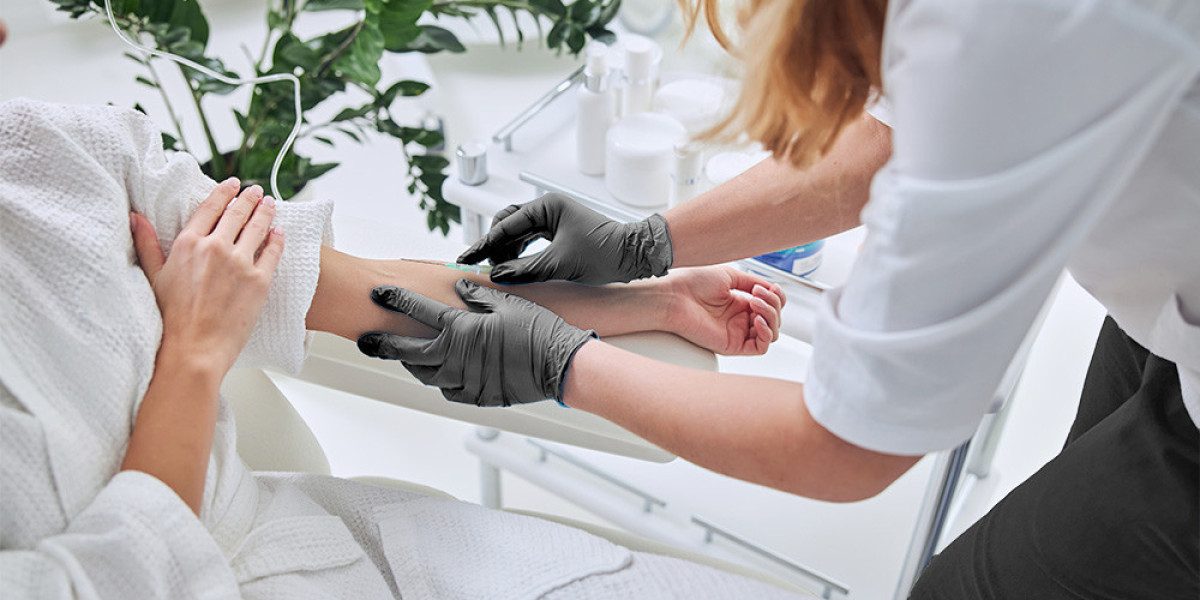
Once the patient is ready, the healthcare provider inserts a sterile IV cannula into a suitable vein, usually in the arm or hand. The area is cleaned thoroughly before insertion to minimize infection risk. Although the process may cause slight discomfort, it is generally quick and performed carefully to ensure patient comfort.
Starting the Glucose Infusion:
After the IV line is successfully placed, the glucose infusion begins at a controlled rate. The solution slowly enters the bloodstream, helping restore hydration and energy levels. Patients are encouraged to remain still and relaxed while the drip is running. Most individuals can comfortably rest, read, or listen to music during this stage.
Continuous Monitoring During the Session:
Throughout the procedure, healthcare professionals closely monitor the patient to ensure safety and comfort. This is one of the most important parts of the session, as it allows immediate response to any changes in the patient’s condition. Monitoring typically includes:
- Checking IV flow rate regularly
- Observing the patient’s comfort level
- Monitoring vital signs if needed
- Watching for any unusual reactions
- Ensuring proper placement of the IV line
- Providing reassurance and support
This continuous supervision helps ensure a safe and effective treatment experience.
What You May Feel During the Drip:
Most patients report minimal discomfort during glucose drip therapy. After the IV line is inserted, the process is generally painless. Some individuals may feel a mild cooling sensation or slight pressure at the insertion site. These sensations are normal and usually temporary. Healthcare providers remain available throughout the session to ensure comfort.
Duration of the Treatment Session:
The duration of a glucose drip session varies depending on the patient’s condition and the prescribed treatment plan. On average, the process may take anywhere from 30 minutes to a few hours. Healthcare professionals adjust the flow rate based on the patient’s needs and response to the treatment.
Post-Treatment Observation and Care:
After the infusion is completed, healthcare providers carefully remove the IV cannula and clean the insertion site. A short observation period may follow to ensure the patient is stable and comfortable. Patients may be advised to rest for a while before resuming normal activities.
Post-treatment care may include:
- Resting for a short period
- Keeping the IV site clean and dry
- Staying hydrated with water
- Avoiding strenuous activity immediately after
- Following any medical advice provided
- Reporting unusual symptoms if they occur
Proper aftercare supports smooth recovery and comfort.
Benefits of Home Glucose Drip Sessions:
Receiving treatment at home offers several advantages that make the experience more comfortable and accessible for patients. Home healthcare combines medical supervision with convenience, allowing individuals to recover in a familiar setting.
Key benefits include:
- Comfortable home environment
- Reduced travel stress
- Personalized medical attention
- Flexible scheduling options
- Professional monitoring throughout
- Increased privacy and convenience
These benefits contribute to a more patient-friendly healthcare experience.
Safety Measures Followed During the Session:
Safety is a top priority during home-based glucose therapy. Healthcare professionals follow strict medical and hygiene protocols to ensure safe administration. Sterile equipment, proper sanitization, and careful monitoring are used throughout the process to minimize risks and maintain high standards of care.
Why Home Healthcare Is Becoming More Popular:
The demand for home healthcare services continues to rise as patients seek more convenient and personalized treatment options. Services like Glucose Drip at Home in Dubai are especially popular among individuals who prefer receiving care in a comfortable environment without the need to visit healthcare facilities. This trend reflects a shift toward more accessible and patient-centered healthcare solutions.
Importance of Professional Care at Home:
Even though treatment is provided at home, professional supervision remains essential. Doctor at Home services ensure that patients are properly assessed, monitored, and treated by qualified healthcare providers. This combination of medical expertise and home comfort improves safety and enhances the overall treatment experience.
Final Thoughts:
A glucose drip at home session is designed to be a safe, comfortable, and professionally managed experience that supports hydration and energy recovery. From initial assessment to post-treatment care, each step is carefully monitored to ensure patient well-being. The growing preference for Glucose Drip at Home in Dubai highlights the increasing demand for convenient, reliable, and patient-focused healthcare services delivered in the comfort of home.