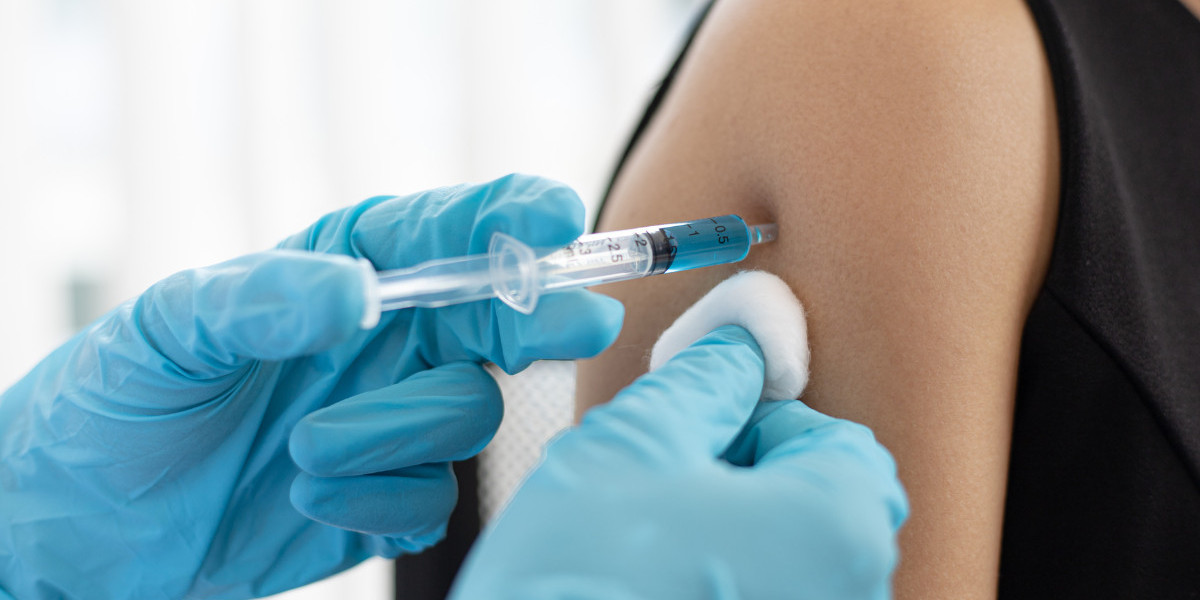

Receiving injections at home is becoming increasingly common for patients who prefer comfort, privacy, and convenience in their healthcare routine. Many individuals rely on Injection at Home In Dubai services to manage treatments safely under professional guidance. With support from a Doctor at Home, patients can learn proper injection techniques and hygiene practices to reduce the risk of complications. However, even with careful preparation, infections can sometimes occur after an injection, making it essential to recognize early warning signs and take appropriate action quickly.
Why Infections Can Happen After Injections:
Infections after injections usually occur when bacteria enter the body through the injection site. This can happen due to poor hygiene, contaminated equipment, or improper technique. Understanding the causes helps patients take preventive steps and reduce risks in the future.
Common causes of infection include:
- Unclean injection sites
- Reusing needles or syringes
- Touching sterile equipment with unwashed hands
- Improper disposal of medical supplies
- Contaminated medication or surfaces
Awareness of these causes helps improve safety during home injections.
Redness and Swelling at the Injection Site:
One of the earliest signs of infection is redness or swelling around the injection area. While mild irritation is normal, persistent or worsening redness may indicate an infection developing under the skin.
Warning signs include:
- Expanding redness around the site
- Warmth in the affected area
- Swelling that increases over time
- Skin becoming tight or sensitive
Monitoring the injection site regularly helps detect problems early.
Pain That Gets Worse Over Time:
Some mild discomfort is expected after injections, but increasing or severe pain can be a sign of infection. Pain that does not improve or becomes more intense should not be ignored.
Important symptoms to watch for:
- Sharp or throbbing pain
- Pain spreading beyond the injection site
- Discomfort lasting longer than expected
- Pain combined with swelling or redness
Persistent pain often indicates that medical attention may be needed.
Presence of Pus or Fluid Discharge:
Pus or unusual fluid coming from the injection site is a clear sign of infection. This occurs when the body is fighting bacteria that have entered the skin or tissue.
Key warning signs include:
- Yellow or green discharge
- Foul-smelling fluid
- Crusting around the injection area
- Moist or oozing skin
Any visible discharge should be treated as a serious concern.
Fever and General Illness Symptoms:
In some cases, infection from an injection can spread beyond the site and affect the entire body. This may result in flu-like symptoms or fever.
Systemic symptoms may include:
- Fever or chills
- Fatigue or weakness
- Body aches
- Headache
- Loss of appetite
These symptoms may indicate that the infection is more serious.
Hard Lumps or Abscess Formation:
Sometimes infections form deep under the skin, leading to hard lumps or abscesses. These require prompt medical attention to prevent further complications.
Signs of abscess formation include:
- Firm or swollen lumps
- Painful hardened areas
- Skin warmth over the lump
- Increasing size of swelling
Abscesses should not be ignored or treated at home without medical advice.
What You Should Do Immediately:
If signs of infection appear after an injection, immediate action is essential. Early intervention can prevent complications and promote faster recovery.
Recommended steps include:
- Clean the area gently with antiseptic
- Avoid pressing or scratching the site
- Monitor symptoms closely
- Keep the area dry and clean
- Seek medical advice promptly
Quick response reduces the risk of infection spreading.
When to Seek Medical Help:
Not all injection-related discomfort requires emergency care, but certain symptoms indicate the need for professional evaluation. Delaying treatment can worsen the condition.
Seek medical help if you experience:
- High fever or chills
- Severe or worsening pain
- Rapidly spreading redness
- Pus or continuous discharge
- Dizziness or weakness
Timely medical attention ensures safe recovery.
Preventing Infections After Future Injections:
Prevention is always better than treatment. Following proper hygiene and injection techniques significantly reduces the risk of infections in the future.
Preventive measures include:
- Washing hands before every injection
- Using sterile needles and syringes
- Cleaning injection sites properly
- Avoiding reuse of medical equipment
- Disposing of sharps safely
Consistent hygiene practices help maintain safe home healthcare routines.
Importance of Monitoring Injection Sites:
Regular observation of injection sites helps detect early signs of infection. Patients should check the area for changes immediately after injections and over the next few days.
Monitoring tips include:
- Checking for redness or swelling daily
- Observing pain levels
- Looking for unusual discharge
- Noting changes in skin temperature
Early detection improves treatment success and reduces complications.
Maintaining Hygiene at Home:
A clean environment plays a major role in preventing infections during home injections. Keeping the injection area and supplies clean is essential for safety.
Good hygiene practices include:
- Disinfecting surfaces regularly
- Keeping supplies organized and covered
- Avoiding clutter in injection areas
- Using clean storage for medications
A hygienic environment supports safer injection practices.
Role of Professional Support:
Professional healthcare guidance helps patients learn proper injection techniques and infection prevention strategies. This support is especially important for individuals new to home injections.
Professional assistance may include:
- Training on safe injection methods
- Guidance on hygiene practices
- Monitoring for complications
- Advice on medication handling
Expert supervision improves confidence and safety.
Final Thoughts:
Recognizing signs of infection after an injection is crucial for maintaining health and preventing complications. Symptoms such as redness, swelling, pain, fever, or discharge should never be ignored. As more individuals choose Injection at Home In Dubai services for convenient healthcare, understanding infection warning signs and proper response steps becomes increasingly important. With good hygiene, careful monitoring, and timely medical support, patients can ensure safer recovery and maintain confidence in their home injection routines.