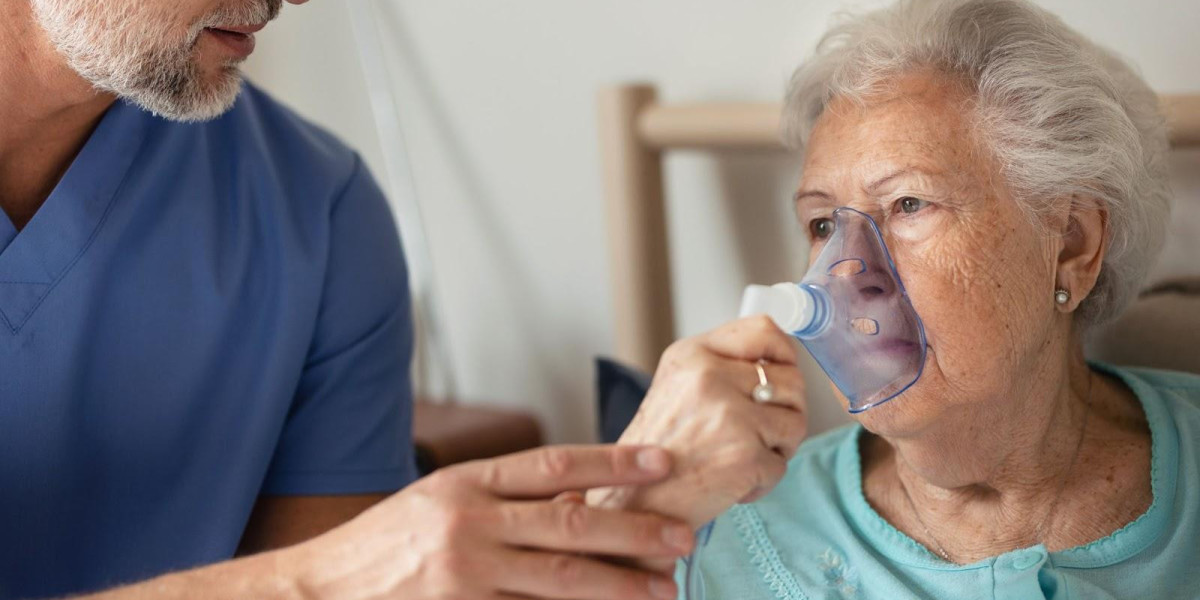

Oxygen plays a vital role in keeping every organ in the body functioning properly, especially the heart, brain, and lungs. When oxygen levels drop, the body begins to show clear warning signs that should not be ignored. Many patients now rely on Oxygen therapy at home Dubai services to manage low oxygen levels safely and comfortably in a familiar environment. With the support of Doctor at Home care, individuals can receive timely assessment and treatment without the need for frequent hospital visits, making early detection and management of oxygen deficiency much easier and more accessible.
What Is Oxygen Therapy:
Oxygen therapy is a medical treatment that provides additional oxygen to individuals who are unable to maintain adequate oxygen levels on their own. It helps increase oxygen saturation in the blood, ensuring that vital organs receive the oxygen they need to function properly. Oxygen is delivered through devices such as nasal cannulas, face masks, or oxygen concentrators depending on the patient’s condition. This therapy is commonly used for both short-term recovery and long-term management of respiratory or cardiovascular conditions.
Why Oxygen Levels Matter For Health:
Oxygen is essential for energy production, brain function, and organ performance. Every cell in the body depends on oxygen to carry out basic functions. When oxygen levels fall below normal, the body struggles to operate efficiently, leading to fatigue and health complications. Low oxygen levels can affect circulation, reduce mental clarity, and place extra strain on the heart and lungs. Maintaining healthy oxygen saturation is critical for overall well-being and long-term health stability.
Key Warning Signs You May Need Oxygen Therapy:
Recognizing early symptoms of low oxygen levels is important for preventing serious complications. Many people do not realize they are experiencing oxygen deficiency until symptoms become more severe. Common warning signs that may indicate the need for oxygen therapy include:
- Persistent shortness of breath, even at rest or during light activity
- Frequent fatigue and low energy levels
- Rapid or irregular breathing patterns
- Confusion or difficulty concentrating
- Bluish tint on lips or fingertips
- Chest tightness or discomfort
- Dizziness or lightheadedness
If these symptoms occur frequently, medical evaluation is essential to determine whether oxygen therapy is required.
Conditions That May Require Oxygen Therapy:
Several medical conditions can lead to reduced oxygen levels in the body. Chronic obstructive pulmonary disease (COPD), asthma, pneumonia, pulmonary fibrosis, and sleep apnea are among the most common respiratory conditions requiring oxygen support. Heart failure and other cardiovascular diseases can also affect oxygen circulation. In some cases, recovery from surgery or severe infection may temporarily reduce oxygen levels, making short-term oxygen therapy necessary for stabilization and recovery.
How Oxygen Therapy Helps Improve Symptoms:
Oxygen therapy works by increasing the amount of oxygen available in the bloodstream, helping the body function more efficiently. Improved oxygen levels can reduce symptoms associated with oxygen deficiency and support better overall health. Patients often experience noticeable improvements such as:
- Easier breathing and reduced breathlessness
- Increased energy and reduced fatigue
- Improved sleep quality
- Better mental focus and clarity
- Enhanced physical endurance
- Reduced strain on the heart and lungs
These benefits can significantly improve quality of life for individuals with low oxygen levels.
Importance Of Early Detection:
Early detection of oxygen deficiency is crucial for preventing complications and ensuring effective treatment. Ignoring early warning signs can lead to worsening symptoms and increased strain on vital organs. Regular monitoring of oxygen saturation levels using medical devices such as pulse oximeters can help detect problems early. Healthcare providers recommend seeking medical attention as soon as persistent symptoms of low oxygen levels are observed.
Benefits Of Oxygen Therapy At Home:
Home oxygen therapy allows patients to receive treatment in a comfortable and familiar environment without the need for extended hospital stays. This approach supports both physical recovery and emotional well-being. Home-based oxygen therapy offers several important benefits, including:
- Comfortable recovery environment
- Reduced hospital visits and travel
- Flexible treatment schedules
- Personalized medical care
- Greater independence for patients
- Lower exposure to hospital-related infections
These advantages make home oxygen therapy a preferred option for many individuals managing chronic or temporary oxygen-related conditions.
Role Of Professional Medical Support:
Professional medical supervision is essential for safe and effective oxygen therapy. Healthcare providers assess oxygen levels, recommend appropriate treatment, and monitor patient progress over time. In many cases, Doctor at Home services provide personalized evaluations and respiratory care directly at the patient’s residence. This ensures timely medical attention and helps patients manage their condition safely without frequent hospital visits. Proper supervision also ensures that oxygen therapy is used correctly and adjusted according to changing health needs.
Different Oxygen Delivery Systems:
There are several types of oxygen delivery systems available depending on the patient’s condition and lifestyle. Oxygen concentrators are widely used for home therapy because they provide a continuous supply of oxygen by filtering air from the environment. Portable oxygen concentrators allow patients to remain mobile while receiving oxygen support. Oxygen cylinders are typically used for emergency situations or short-term therapy needs. Healthcare professionals recommend the most suitable system based on medical requirements and oxygen levels.
Safety Tips For Oxygen Therapy:
Using oxygen therapy safely is essential for preventing accidents and ensuring effective treatment. Oxygen increases the risk of fire when exposed to heat or flames, so proper precautions must always be followed. Important safety guidelines include:
- Keep oxygen equipment away from open flames
- Avoid smoking near oxygen devices
- Store oxygen cylinders in well-ventilated areas
- Follow prescribed oxygen settings carefully
- Regularly clean masks and tubing
- Ensure proper maintenance of equipment
Following these safety measures helps ensure a safe environment for oxygen therapy at home.
When To Seek Immediate Medical Help:
Certain symptoms require urgent medical attention and should not be ignored. If oxygen levels drop significantly or symptoms worsen rapidly, immediate care is necessary. Warning signs that require emergency attention include severe difficulty breathing, chest pain, sudden confusion, or bluish discoloration of the skin or lips. Prompt medical intervention can prevent serious complications and improve treatment outcomes.
Final Thoughts:
Oxygen therapy is a vital medical treatment for individuals experiencing low oxygen levels or respiratory difficulties. Recognizing early warning signs is essential for timely intervention and preventing serious health complications. With the growing availability of Oxygen therapy at home Dubai services, patients can now access professional care in a safe and comfortable home environment. Supported by experienced healthcare providers and reliable Doctor at Home services, oxygen therapy offers an effective solution for improving breathing, restoring energy, and maintaining overall health and well-being.