
Melasma is a common skin condition characterized by brown or gray-brown patches, usually appearing on the face. It is often triggered by sun exposure, hormonal changes, pregnancy, or genetic factors. Q-Switched laser Riyadh While it is not harmful, it can significantly affect self-confidence and overall skin appearance. Many individuals seek advanced dermatological solutions to achieve a more even and radiant complexion.
Melasma can be stubborn and may not respond well to topical creams alone, which is why advanced dermatology treatments have become increasingly popular. One such advanced option is Q-switched Laser in Riyadh, which has gained attention for its precision in targeting pigmentation without damaging surrounding skin layers. This innovative laser technology offers hope for individuals struggling with long-standing pigmentation concerns and uneven skin tone.
Understanding Melasma and Its Treatment Goals
Melasma develops when melanocytes, the pigment-producing cells in the skin, become overactive. This leads to excess melanin production, which settles into patches on the skin surface. The primary goal of treatment is to reduce this excess pigment while preventing recurrence.
Lifestyle modifications such as sun protection, avoiding excessive heat exposure, and using dermatologist-recommended skincare play an important role. However, in moderate to severe cases, laser-based treatments are often recommended for more noticeable results. Modern dermatology has refined laser technology to ensure safer and more controlled pigmentation removal.
How Laser Technology Targets Pigmentation
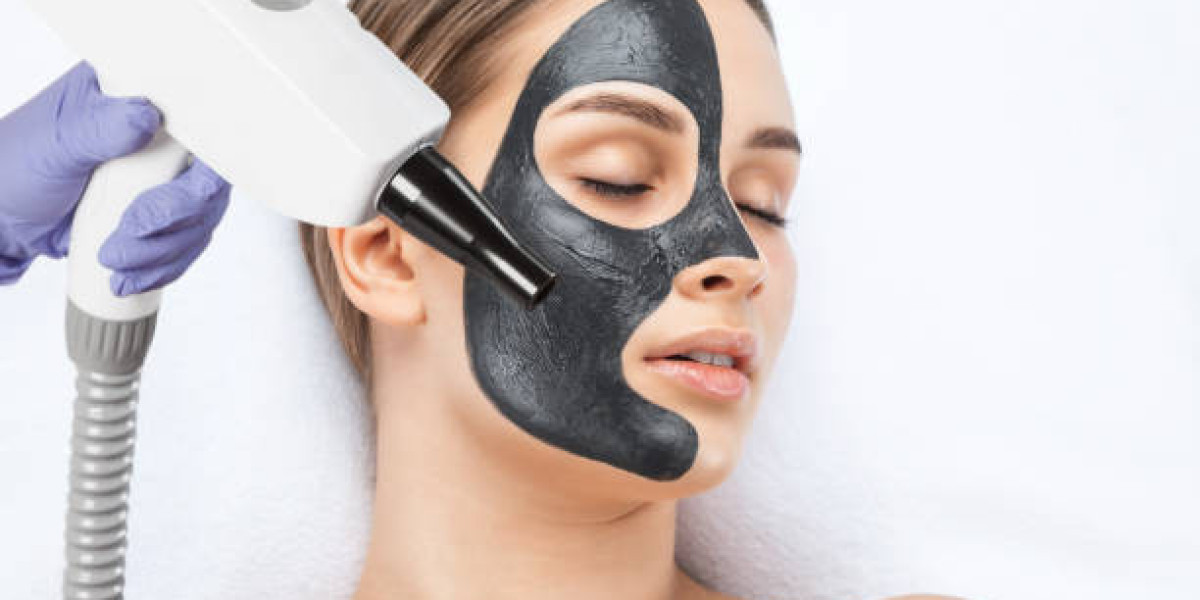
Laser treatments work by delivering concentrated light energy into the skin. This energy breaks down melanin clusters into smaller particles, which are then naturally eliminated by the body’s immune system. The process is gradual, allowing the skin to heal and regenerate evenly over time.
One of the key advantages of advanced laser systems is their ability to target pigment selectively without harming surrounding tissues. This precision reduces the risk of scarring and makes the treatment suitable for various skin types when performed correctly.
Why Advanced Laser Treatment Is Effective
For individuals seeking long-term improvement, laser therapy offers multiple benefits. It not only reduces visible pigmentation but also improves overall skin texture and brightness. Additionally, it stimulates collagen production, which helps in maintaining youthful and healthy-looking skin.
Q-switched Laser in Riyadh is widely recognized for its ability to deliver controlled energy pulses that specifically target melanin deposits. This makes it especially effective for melasma cases that have not improved with topical treatments alone. Patients often notice gradual fading of patches over multiple sessions, leading to a more balanced skin tone.
What to Expect During the Treatment Process
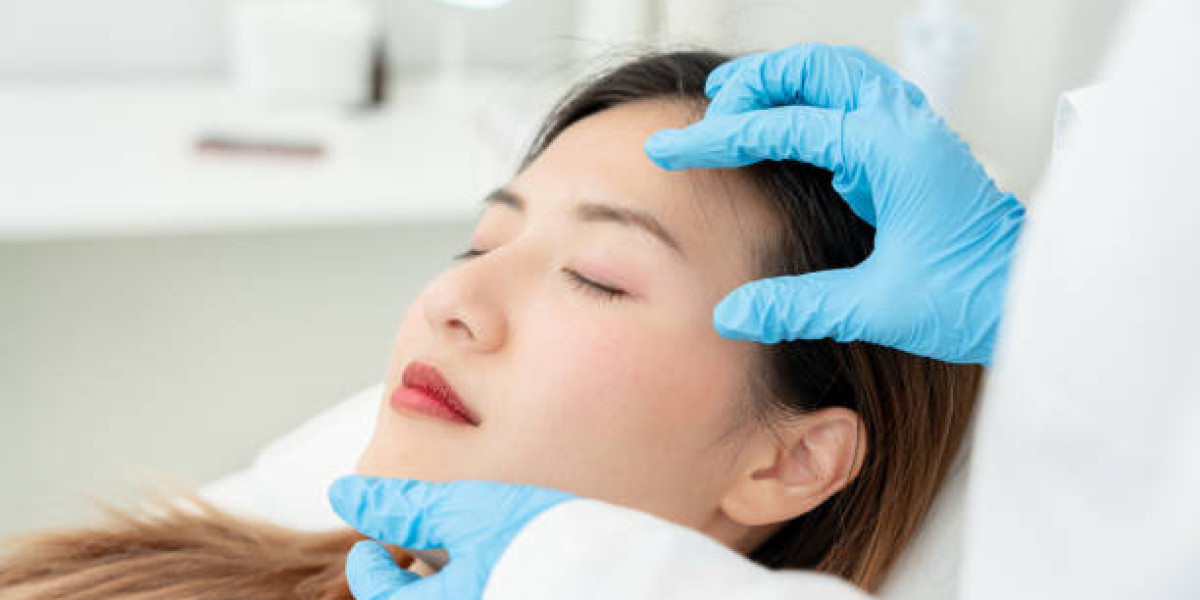
Before undergoing laser treatment, a skin assessment is usually conducted to determine suitability and treatment intensity. During the procedure, protective eyewear is provided, and a handheld device delivers short bursts of laser energy onto the affected areas.
Patients may feel a mild tingling or snapping sensation, but the procedure is generally well-tolerated. After treatment, slight redness or sensitivity may occur, which usually subsides within a few hours to a couple of days. Proper aftercare, including sun protection and moisturizing, is essential for optimal results.
Long-Term Results and Skin Maintenance
Consistency is key when it comes to achieving lasting results. Multiple sessions may be required depending on the severity of pigmentation. It is also important to understand that melasma can recur if triggers such as sun exposure are not controlled.
Incorporating daily sunscreen use, avoiding direct sunlight during peak hours, and following a dermatologist-approved skincare routine can significantly enhance and prolong treatment outcomes. Over time, patients often experience smoother, brighter, and more even-toned skin.
Advantages of Modern Laser-Based Skin Solutions
Laser-based pigmentation treatments offer several advantages over traditional methods. These include reduced downtime, targeted action, and improved safety when performed under professional supervision. Additionally, they are suitable for individuals who have not responded well to creams or chemical-based treatments.
Another benefit is that laser technology continues to evolve, making treatments more efficient and comfortable. Many individuals choose this option because it provides visible improvement without the need for invasive procedures.
Suitability and Skin Considerations
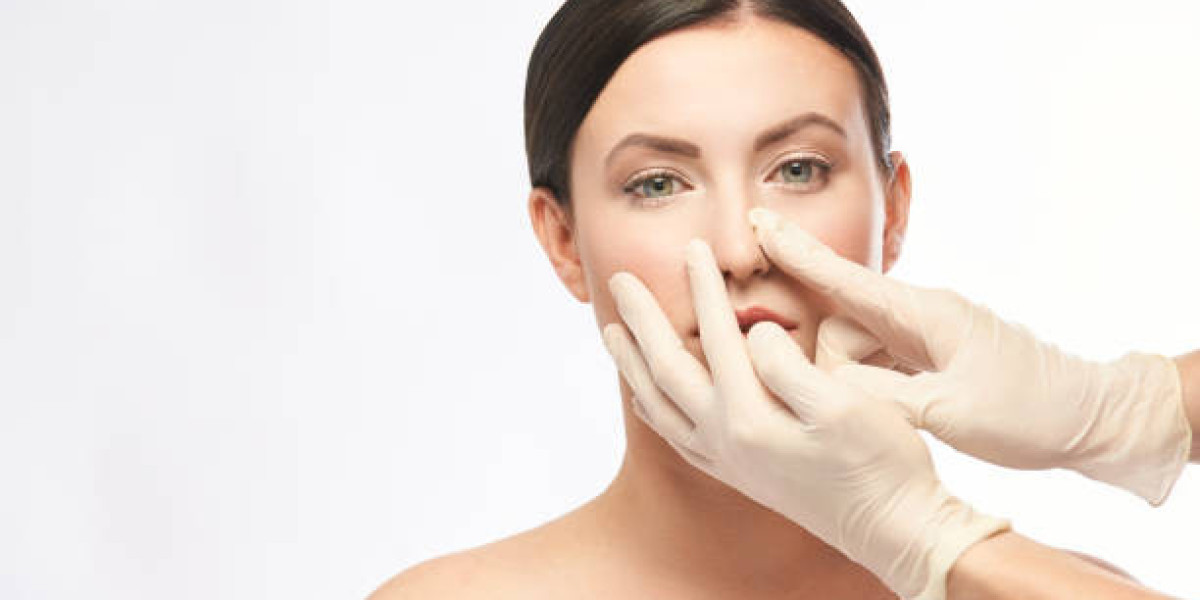
Not everyone is an ideal candidate for laser therapy, which is why proper evaluation is essential. Factors such as skin type, pigmentation depth, and medical history are taken into account before recommending treatment.
When used appropriately, laser therapy can be highly effective for managing melasma and other pigmentation disorders. However, realistic expectations are important, as complete removal may not always be possible, but significant improvement is achievable.
Q-switched Laser in Riyadh remains one of the preferred choices for individuals seeking professional pigmentation correction with minimal downtime and reliable results.
Maintaining Healthy and Even Skin
Post-treatment care plays a crucial role in maintaining results. Avoiding sun exposure, using broad-spectrum sunscreen, and following a gentle skincare routine can prevent pigment recurrence. Hydration and a balanced diet also contribute to healthier skin recovery and glow.
Over time, combining professional treatments with consistent skincare habits ensures longer-lasting clarity and improved skin confidence.
book an appointment cunsulation clinic like 'Enfield Royal Riyadh'
FAQs
What is Q-switched laser treatment used for?
It is primarily used to reduce pigmentation issues such as melasma, sunspots, and age spots by breaking down excess melanin in the skin.
Is the treatment painful?
Most patients experience only mild discomfort, often described as a light snapping sensation on the skin.
How many sessions are required for melasma?
The number of sessions varies depending on severity, but most individuals need multiple sessions for noticeable improvement.
Are results permanent?
Results can be long-lasting, but maintenance and sun protection are essential to prevent recurrence.
Who should avoid laser treatment?
Individuals with certain skin conditions, active infections, or specific medical histories may not be suitable candidates and should undergo a professional evaluation.