
Are you tired of staring at thinning hair in the mirror, dreaming of a fuller, natural-looking mane? A hair transplant could be your ticket to renewed confidence, but jumping in without the right questions is like driving blindfolded. hair transplant cost the must-ask queries during your consultation, empowering you to make informed decisions. We'll cover everything from procedure basics to recovery realities, ensuring you walk away ready to transform your look. Stick around—your future self with luscious locks will thank you.
Imagine reclaiming your youthful hairline without the guesswork. In bustling cities like Riyadh, seekers of hair restoration turn to expert consultations for clarity. Hair Transplant in Riyadh stands out as a beacon for those battling baldness, blending cutting-edge techniques with personalized care. Boldly, Hair Transplant in Riyadh offers hope through methods like FUE and FUT, tailored to diverse hair types and lifestyles. Whether you're dealing with receding temples or a thinning crown, understanding these options starts with smart questioning—let's unpack the essentials.
Why a Hair Transplant Consultation Matters
Your first meeting with a specialist isn't just chit-chat; it's the foundation of your hair restoration journey. Picture this: a seasoned expert assesses your scalp, maps out follicles, and sketches a custom plan. They evaluate your hair loss pattern—think Norwood scale for men or Ludwig for women—to predict outcomes. Ask about your candidacy early: "Am I a good fit based on donor hair density?" This reveals if you have enough healthy follicles from the back or sides for grafting. Consultations also spotlight realistic timelines, from initial shedding to full growth in 12-18 months, setting expectations that keep you motivated.
Engaging deeply here prevents regrets. Probe their experience with your specific issue, like traction alopecia from tight hairstyles or androgenetic baldness. Top consultants use tools like dermoscopes for precise analysis, sharing before-and-after visuals to ignite your excitement. This step transforms anxiety into anticipation, proving why skipping it could mean suboptimal results.
Key Questions on Procedure Types
Diving into techniques keeps things thrilling—FUE (Follicular Unit Extraction) versus FUT (Follicular Unit Transplantation) is the blockbuster showdown. Fire off: "Which method suits my hair type and goals—FUE for minimal scarring or FUT for maximum grafts?" FUE punches out individual follicles, ideal for shorter haircuts, while FUT strips a donor area for denser packs. In Hair Transplant in Riyadh, experts often favor FUE for its quick recovery, letting you hit the gym sooner.
Don't stop there—ask, "How do you ensure natural hairline design?" Pros mimic your native growth direction and angle, avoiding that pluggy '80s vibe. Grill on graft survival rates (typically 90-95%) and tools like robotic assistance for precision. These answers not only educate but spark visions of wind-swept confidence on Riyadh's vibrant streets.
FUE vs. FUT: Quick Breakdown
FUE Pros: No linear scar, faster healing, flexible for body hair.
FUT Pros: Higher graft yield, cost-effective for extensive loss.
Hybrid Options: Many blend both for ultimate customization.
This knowledge arms you, turning consultation into a strategy session.
Recovery and Aftercare Insights
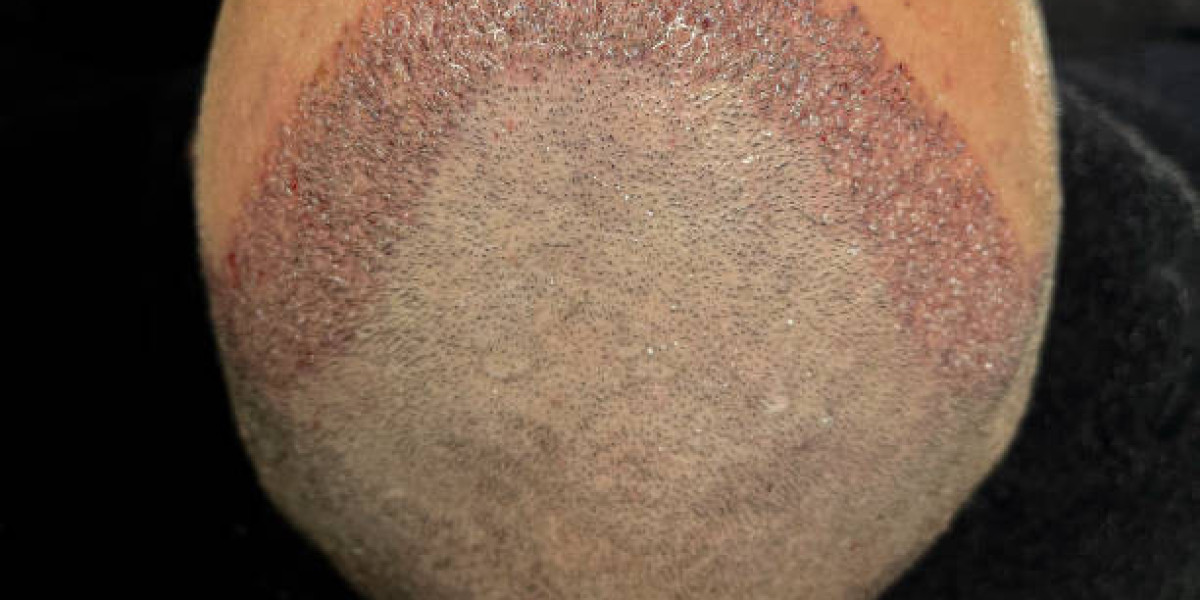
Recovery isn't downtime—it's your glow-up phase. Essential query: "What's the detailed post-op care plan?" Expect gentle washing after 48 hours, avoiding sun and sweat for two weeks. Swelling peaks at day three, but ice packs and meds tame it. Ask, "How long until I resume work or sports?" Most return desk-bound in days, athletes in weeks.
Lifestyle tweaks amplify success: "Does diet or smoking impact growth?" Nutrient-rich foods like biotin-packed eggs fuel follicles, while quitting tobacco boosts circulation. Vividly, envision shedding "shock loss" at week four, only for robust regrowth by month six. These insights make aftercare feel like a thrilling adventure, not a chore.
Risks, Results, and Longevity
No sugarcoating: "What risks should I watch for?" Infections are rare (under 1%) with sterile protocols, but numbness or itching fades in months. Demand timelines: "When will I see permanent results?" Patience pays—50% growth by six months, full glory by year one.
Longevity query: "How do you ensure grafts last decades?" Healthy donors and anti-DHT meds like finasteride extend life. Results dazzle with natural density, boosting self-esteem sky-high. This transparency builds trust, making your choice exhilarating.
Ready to take the next step? Book an appointment consultation clinic like 'Enfield Royal Riyadh' today and unlock your hair's potential.
FAQs
How long does a hair transplant consultation last?
Typically 30-60 minutes, covering scalp exam, photo analysis, and Q&A for personalized advice.
Can hair transplant fix all types of baldness?
Yes for pattern baldness, but diffuse or scarring types need evaluation—consultants assess viability.
Is hair transplant painful during the procedure?
Local anesthesia ensures comfort; most feel only mild pressure, like a dental visit.
When can I cut my hair after transplant?
Wait 10-14 days for trimming, full styling after one month to protect new grafts.
Does hair transplant work on all hair colors and textures?
Absolutely—experts adapt for straight, curly, or colored hair, ensuring seamless blends.