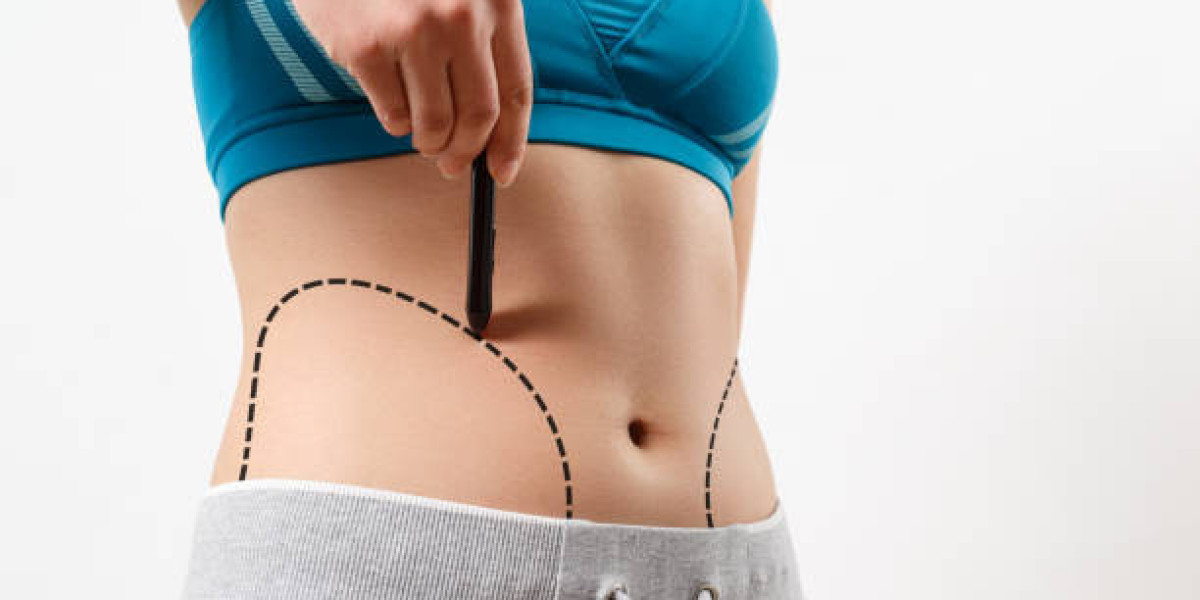

Body contouring has become one of the most sought-after cosmetic treatments for individuals aiming to remove stubborn fat and enhance body shape. Among these treatments, the Liposuction procedure in Riyadh (كم سعر عملية شفط الدهون في السعودية) is a popular choice for targeting localized fat deposits that resist diet and exercise. While the procedure offers effective body sculpting and contouring, it is important for patients to understand that, like any surgical procedure, liposuction carries certain risks and considerations.
Many people choose the Liposuction procedure in Riyadh for areas such as the abdomen, thighs, arms, or back, hoping to achieve smoother contours and improved body proportions. Being aware of potential risks ensures that patients can make informed decisions and take necessary precautions before undergoing treatment.
Understanding the types of risks, how they can be minimized, and the role of professional care is essential to ensuring a safe and satisfying liposuction experience.
Understanding the Risks of Liposuction
Why Risks Exist
Liposuction is generally considered safe when performed by qualified professionals, but it is still a surgical procedure. Any surgery can involve complications due to factors such as anesthesia, individual health, or the complexity of the procedure.
Potential risks may arise from:
The surgical technique used
Patient health and medical history
The size and number of areas treated
Awareness of these factors helps patients prepare and take precautions for safer outcomes.
Common Temporary Side Effects
After liposuction, patients may experience temporary side effects that are generally considered normal during the recovery process.
Common side effects include:
Swelling in treated areas
Bruising or discoloration
Mild pain or discomfort
Temporary numbness or tingling
These effects typically subside within a few days to weeks as the body heals and adjusts to the new contours.
Less Common but Possible Risks
Infection
Though rare, infection can occur at the incision sites if proper post-procedure care is not followed.
Precautions include:
Keeping incisions clean and dry
Following all medical instructions
Attending follow-up appointments to monitor healing
Prompt medical attention can address infections effectively if they arise.
Irregular Contours or Asymmetry
In some cases, patients may notice uneven results, especially if fat removal is not perfectly balanced.
This risk can be minimized by:
Choosing an experienced and skilled surgeon
Following post-procedure instructions
Understanding that mild swelling may temporarily affect symmetry
Experienced professionals often achieve smooth and natural-looking body contours.
Blood Clots and Circulatory Risks
Although uncommon, there is a small risk of blood clots or circulatory issues after liposuction.
Safety measures include:
Monitoring during recovery
Encouraging light activity to promote circulation
Evaluating patient history for clotting risks before the procedure
Proper pre-procedure assessment helps reduce the likelihood of serious circulatory complications.
Skin Laxity and Irregularities
Depending on skin elasticity, some patients may experience loose skin or minor irregularities in texture after fat removal.
Ways to reduce this risk include:
Selecting patients with good skin elasticity
Using advanced techniques like laser-assisted or ultrasound-assisted liposuction
Following proper post-procedure care
Some patients may consider additional skin-tightening treatments for optimal results.
Minimizing Risks with Professional Care
Choosing a Qualified Provider
Selecting an experienced and reputable medical professional is one of the most effective ways to minimize liposuction risks.
Professional expertise ensures:
Proper patient evaluation
Safe anesthesia administration
Accurate fat removal
Smooth and balanced contouring
Patients should research clinics, read reviews, and confirm the qualifications of the surgeon before scheduling treatment.
Following Pre- and Post-Procedure Instructions
Adhering to medical guidance is essential for a safe and effective recovery.
Key instructions may include:
Preparing the body with pre-procedure guidelines
Wearing compression garments as recommended
Avoiding strenuous activities until cleared by the provider
Attending follow-up appointments to monitor healing
These steps help ensure that the body heals properly and that risks are minimized.
Maintaining Overall Health
Patients in good physical health are less likely to experience complications.
Important health considerations include:
Managing chronic conditions such as diabetes or heart disease
Maintaining a stable weight before the procedure
Avoiding smoking or alcohol that could affect healing
Good health supports a safer procedure and smoother recovery.
Long-Term Safety Considerations
Permanent Fat Removal
Liposuction permanently removes fat cells from treated areas. Maintaining results requires:
Healthy lifestyle habits
Balanced diet and regular exercise
Monitoring weight to prevent new fat accumulation
These practices not only preserve the body’s improved contours but also reduce the likelihood of complications related to weight fluctuations.
Emotional and Psychological Preparedness
Understanding realistic expectations and emotional preparedness is important for long-term satisfaction.
Patients should:
Have clear goals for body contouring
Understand that results develop gradually
Communicate openly with their provider about concerns
Being mentally prepared contributes to a safer and more positive experience.
Book Your Consultation
If you are considering body contouring and want to learn more about the safety and risks of liposuction, professional guidance is essential. The experienced team at Royal Clinic Saudia (عيادات رويال كلينك) provides personalized consultations and advanced aesthetic treatments designed to help patients achieve their desired body shape safely and effectively. Book your appointment today and take the first step toward a confident and sculpted appearance.
FAQs:
What are the most common risks associated with liposuction?
Temporary swelling, bruising, mild discomfort, and numbness are common side effects, while infection, uneven contours, and circulatory issues are less common but possible.
Can risks be minimized with proper care?
Yes, choosing a qualified surgeon, following pre- and post-procedure instructions, and maintaining good health can significantly reduce potential risks.
Is liposuction safe for most patients?
Yes, for individuals in good health who meet the ideal candidate criteria, liposuction is generally considered a safe and effective procedure.
What should patients do if complications arise?
Patients should contact their medical provider immediately if they notice unusual swelling, pain, or signs of infection to ensure prompt and safe intervention.