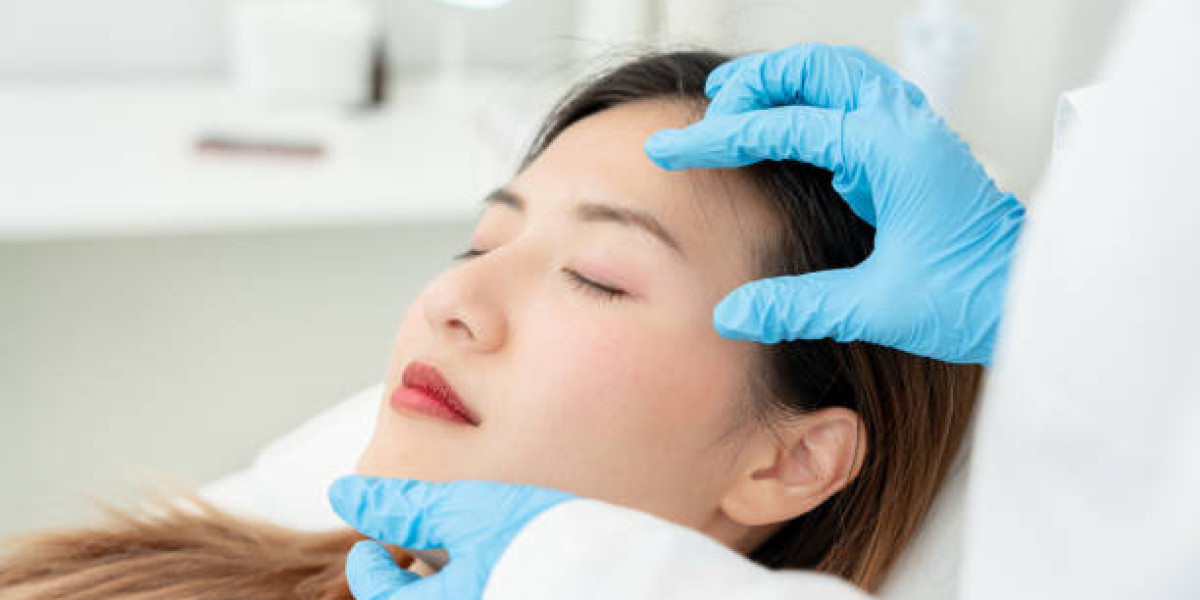

Dark spots are one of the most common skin concerns affecting people of all ages and skin types. These patches of pigmentation can appear due to sun exposure, acne scars, hormonal changes, aging, or environmental damage. Enfield Royal Clinics (عيادات إنفيلد رويال) While dark spots are usually harmless, they can make the complexion look uneven and dull, causing many individuals to search for effective skin-brightening solutions. Modern skincare and dermatology treatments now offer advanced ways to reduce pigmentation and restore a more radiant appearance.
People looking for professional skincare solutions often seek guidance from a Skin Clinic Riyadh to understand the underlying causes of pigmentation and discover treatments suitable for their skin type. From topical solutions to advanced laser procedures, there are multiple approaches that help improve skin clarity while maintaining overall skin health. Understanding how dark spots form is the first step toward choosing the right treatment plan.
Understanding Dark Spots and Why They Appear
Dark spots, also known as hyperpigmentation, occur when the skin produces excess melanin in certain areas. Melanin is the natural pigment responsible for skin color, and when it becomes unevenly distributed, patches or spots may appear darker than the surrounding skin.
Common Causes of Dark Spots
Several factors can contribute to pigmentation concerns, including:
- Excessive sun exposure
- Hormonal fluctuations
- Acne marks and inflammation
- Aging and skin damage
- Certain medications
- Environmental pollution
These causes often trigger melanin overproduction, leading to visible discoloration on the face, neck, hands, or body.
Areas Most Affected by Pigmentation
Dark spots commonly appear on areas frequently exposed to sunlight, such as:
- Cheeks
- Forehead
- Nose
- Chin
- Hands
- Shoulders
People with sensitive or acne-prone skin may also develop post-inflammatory pigmentation after breakouts or irritation.
Importance of Early Treatment
Treating dark spots early can help prevent them from becoming more stubborn over time. Fresh pigmentation often responds faster to skincare treatments compared to deeply rooted discoloration that has existed for years.
Benefits of Early Skin Care
Addressing pigmentation early may help:
- Improve skin tone uniformity
- Prevent worsening discoloration
- Boost skin confidence
- Enhance natural radiance
- Reduce long-term skin damage
Early care also supports healthier skin regeneration and can minimize the need for aggressive procedures later.
Effective Treatments for Brightening Dark Spots
Modern dermatology offers a wide range of treatments designed to reduce pigmentation safely and effectively. The right treatment depends on the type, depth, and severity of the dark spots.
Topical Brightening Products
Dermatologists often recommend medical-grade creams or serums containing ingredients such as:
- Vitamin C
- Retinoids
- Kojic acid
- Niacinamide
- Azelaic acid
- Alpha arbutin
These ingredients help lighten pigmentation gradually while improving overall skin texture.
Chemical Peels for Skin Renewal
Chemical peels are popular for removing damaged outer skin layers and encouraging fresh skin cell growth.
Benefits of chemical peels include:
- Improved skin brightness
- Reduction in acne marks
- Smoother skin texture
- Enhanced collagen production
Different peel strengths are selected according to skin sensitivity and pigmentation depth.
Laser Treatments for Pigmentation
Laser technology is considered one of the most effective methods for targeting stubborn dark spots. Laser energy breaks down excess pigment while stimulating skin rejuvenation.
Many individuals visit a Skin Clinic Riyadh to explore advanced laser procedures that target pigmentation without significantly damaging surrounding skin tissue. Laser treatments can improve skin clarity and provide long-lasting brightening effects when combined with proper aftercare.
Microneedling and Skin Rejuvenation
Microneedling creates tiny controlled injuries in the skin to encourage collagen production and skin renewal.
This treatment may help:
- Fade pigmentation
- Improve acne scars
- Boost skin texture
- Enhance product absorption
Microneedling is often combined with serums or PRP therapy for better results.
Daily Skin Care Tips to Prevent Dark Spots
Preventing pigmentation is just as important as treating existing dark spots. Consistent skincare habits play a major role in maintaining clear and healthy skin.
Always Wear Sunscreen
Sun exposure is one of the biggest causes of hyperpigmentation. Applying sunscreen daily helps prevent existing spots from darkening and reduces the risk of new pigmentation forming.
Choose sunscreen that offers:
- Broad-spectrum protection
- SPF 30 or higher
- Lightweight and non-comedogenic formulas
Avoid Picking or Scratching the Skin
Picking acne or irritating the skin can trigger inflammation and lead to post-inflammatory hyperpigmentation.
Healthy skin habits include:
- Gentle cleansing
- Using non-irritating products
- Avoiding harsh exfoliation
- Keeping skin hydrated
Maintain a Consistent Routine
Consistency is essential for noticeable improvements. A good skincare routine may include:
- Gentle cleanser
- Antioxidant serum
- Moisturizer
- Sunscreen
- Night repair treatment
Results usually appear gradually, making patience and routine care important.
Lifestyle Habits That Support Healthy Skin
Healthy skin is influenced not only by skincare products but also by daily lifestyle choices.
Stay Hydrated
Drinking enough water supports skin elasticity and helps maintain a healthy complexion.
Eat Skin-Friendly Foods
Nutrient-rich foods may support skin healing and brightness, including:
- Fruits rich in antioxidants
- Leafy vegetables
- Healthy fats
- Protein-rich foods
Get Enough Sleep
Sleep allows the skin to repair and regenerate naturally. Poor sleep can worsen dullness and uneven skin tone.
Choosing Professional Skin Care Guidance
Every skin type responds differently to pigmentation treatments. Professional assessment helps identify the root cause and the safest approach for improving skin tone.
Visiting a Skin Clinic Riyadh allows individuals to receive personalized skincare recommendations based on their unique skin concerns. Professional guidance can help avoid ineffective treatments and reduce the risk of irritation or worsening pigmentation.
Achieving Brighter and More Even Skin
Brightening dark spots takes time, consistency, and the right combination of treatments. Whether pigmentation is caused by acne, sun damage, or hormonal changes, modern skincare solutions offer multiple ways to improve skin clarity and confidence.
With proper protection, professional care, and a consistent skincare routine, individuals can gradually achieve smoother, healthier, and more radiant skin. Long-term skin maintenance and prevention are key to keeping the complexion bright and youthful.
Book an Appointment Consultation Clinic
Enfield Royal Riyadh (إنفيلد رويال الرياض)
FAQs
What causes dark spots on the skin?
Dark spots are usually caused by excess melanin production triggered by sun exposure, acne scars, hormonal changes, aging, or skin inflammation.
Can laser treatments permanently remove pigmentation?
Laser treatments can significantly reduce pigmentation and improve skin tone, but maintaining results requires proper skincare and sun protection.
How long does it take to see results from pigmentation treatments?
Results vary depending on the treatment and skin condition. Some people notice improvement within a few weeks, while deeper pigmentation may take longer.
Is sunscreen necessary when treating dark spots?
Yes, sunscreen is extremely important because UV exposure can worsen pigmentation and slow down skin recovery.
Which skincare ingredients help brighten dark spots?
Ingredients such as Vitamin C, retinoids, niacinamide, kojic acid, and azelaic acid are commonly used to improve uneven skin tone and brighten pigmentation.