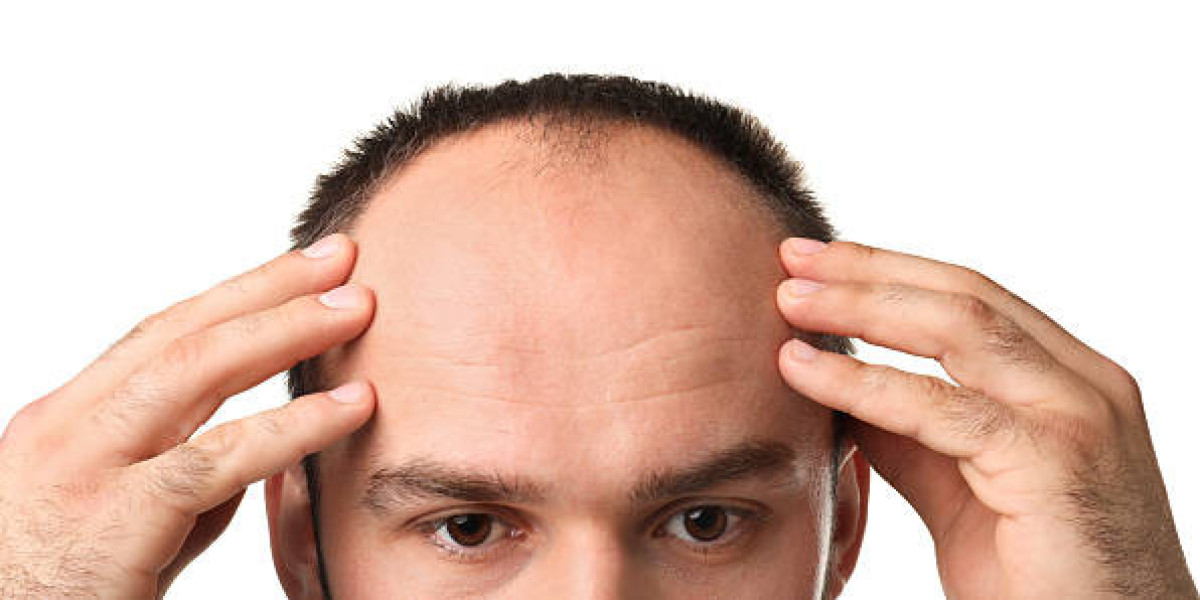

A hair transplant is a transformative procedure that helps restore hair density and improve overall appearance. However, the post-procedure phase requires careful attention, especially when it comes to skincare and cosmetic use. hair transplant riyadh One of the most common concerns patients have is when they can safely resume makeup routines without affecting healing or results.
For individuals considering or undergoing Hair Transplant in Riyadh, understanding proper aftercare is essential to ensure optimal graft survival and natural-looking results. Recovery is a delicate phase where the scalp needs protection from irritation, infection, and unnecessary pressure. Makeup usage during this time must be approached with caution to avoid disrupting healing follicles.
Understanding Hair Transplant Recovery Process
Healing Phases of the Scalp
After a hair transplant, the scalp goes through multiple healing stages including initial scabbing, graft stabilization, and gradual hair growth. Each stage requires different levels of care to ensure proper recovery.
Importance of Post-Procedure Care
During recovery, newly implanted follicles are extremely sensitive. Proper care ensures that the transplanted hair takes root successfully, leading to long-lasting and natural results from Hair Transplant in Riyadh. Avoiding harsh products and allowing the scalp to breathe plays a crucial role in healing.
Why Patience Matters
Rushing into cosmetic routines too early can negatively affect grafts. Allowing adequate time for healing ensures better density, reduced complications, and improved overall satisfaction with the procedure.
When Can You Apply Makeup After a Hair Transplant?
Initial Healing Period
In the first few days after surgery, the scalp is highly sensitive. Any cosmetic application, including makeup near the treated area, should be strictly avoided to prevent irritation or infection.
Safe Timeline for Makeup Use
Most specialists recommend waiting until the scalp has fully healed before applying any makeup near the hairline or donor area. This typically depends on individual healing speed and overall condition.
Precautions While Using Makeup
Even after healing, it is important to use non-comedogenic and gentle products. Avoid applying makeup directly on the scalp or near grafted areas to protect results from Hair Transplant in Riyadh and ensure long-term success.
Safe Camouflage Techniques During Healing
Using Alternative Styling Methods
Instead of makeup, patients can use hairstyles, scarves, or head coverings to conceal redness or scabbing during early recovery.
Light Concealers After Healing
Once approved, lightweight cosmetic products can be used carefully around the forehead or non-treated areas. This helps maintain a natural appearance without affecting grafts.
Avoiding Direct Scalp Application
Never apply foundation, powders, or sprays directly on the transplanted area during early healing stages.
Risks of Early Makeup Application
Infection and Irritation
Applying makeup too soon can introduce bacteria into healing areas, increasing the risk of infection and inflammation.
Disruption of Grafts
The most serious risk is disturbing newly implanted follicles, which can impact the success of Hair Transplant in Riyadh and reduce overall density.
Slower Healing Process
Chemical ingredients in cosmetics may delay recovery and cause unnecessary sensitivity or redness.
Tips for Faster and Safer Healing
Maintain Proper Hygiene
Keep the scalp clean as per post-procedure instructions to avoid buildup of oil or dirt.
Avoid Harsh Products
Stay away from strong shampoos, sprays, or styling products until the scalp is fully healed.
Follow Professional Guidance
Adhering to aftercare instructions is essential for achieving the best results and ensuring smooth recovery.
Protect the Scalp from Sun Exposure
Direct sunlight can irritate healing skin, so wearing protective coverings outdoors is recommended.
Makeup Choices After Full Recovery
Choosing Gentle Products
After complete healing, opt for non-irritating and hypoallergenic makeup products to maintain scalp health.
Minimal Application Approach
Use makeup lightly around the face instead of heavy application near the hairline to preserve the results of Hair Transplant in Riyadh.
Focus on Skin Health
Healthy skin enhances overall appearance and complements restored hair for a more balanced look.
Enhancing Confidence During Recovery
The recovery period can sometimes feel challenging due to visible healing signs. However, patience and proper care ensure that the final outcome is worth the wait. Many individuals undergoing Hair Transplant in Riyadh find that temporary styling solutions and skincare adjustments help them maintain confidence during the healing process.
Maintaining Long-Term Results
Long-term success depends not only on the procedure but also on post-care habits. Protecting the scalp, following recommended routines, and avoiding premature cosmetic use all contribute to lasting results.
Conclusion
Understanding when and how to safely resume makeup after a hair transplant is essential for protecting your investment and ensuring natural-looking results. By following proper guidelines and giving your scalp enough time to heal, you can enjoy a smooth recovery and long-term hair restoration success.
book an appointment cunsulation clinic like 'Enfield Royal Riyadh'
FAQs
1. When can I safely wear makeup after a hair transplant?
Makeup should generally be avoided during the initial healing phase and only resumed once the scalp has fully recovered.
2. Can makeup affect hair transplant results?
Yes, early use of makeup can interfere with healing and may affect graft survival.
3. Is it safe to use foundation near the hairline?
It is safe only after complete healing and should be applied carefully, avoiding direct contact with transplanted areas.
4. What happens if makeup is applied too early?
It may cause infection, irritation, or damage to newly implanted follicles.
5. Are there alternatives to makeup during recovery?
Yes, scarves, hats, and hairstyle adjustments are safer options during early healing stages.